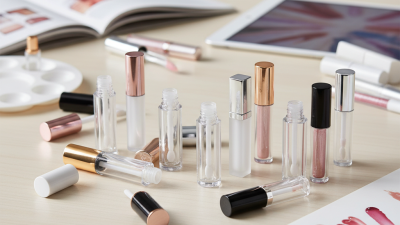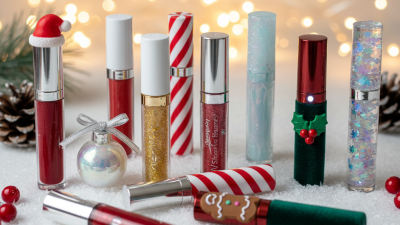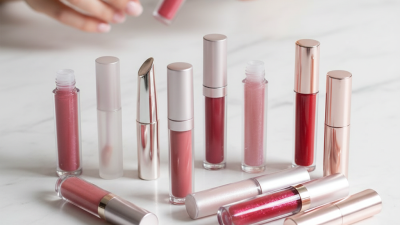
A Clear Gloss Tube is a small package designed mainly for liquid lip gloss, lip oil, serum, and other low-viscosity beauty formulas. Its transparent body lets shoppers see the product color, fill level, and texture before opening it. That visual proof matters in a crowded cosmetics aisle. The tube usually includes a threaded cap, applicator wand, wiper insert, and soft-bristle or doe-foot tip. Each part controls dispensing, application, and product return.
The global beauty market continues to support demand for practical, attractive packaging. McKinsey’s 2023 beauty market report projected the industry could reach about $590 billion by 2028, with steady annual growth. Grand View Research also identifies packaging appearance, convenience, and premium presentation as important cosmetics purchasing factors. These findings explain why brands use clear tubes for both everyday retail products and sample sizes. The package shows the formula immediately.
Still, transparency is not automatically better. Light-sensitive ingredients may require tinted resin, UV protection, or secondary cartons. Manufacturers should test formula compatibility, leakage, odor transfer, and applicator performance. ISO 22716-based good manufacturing practices can support safer production and more consistent quality. The details are easy to underestimate. A loose wiper can leave product around the neck, while an oversized applicator can create messy application. Therefore, this article examines what a Clear Gloss Tube is used for, how its components work, and when another container may offer better protection. Its value is practical, but not universal.
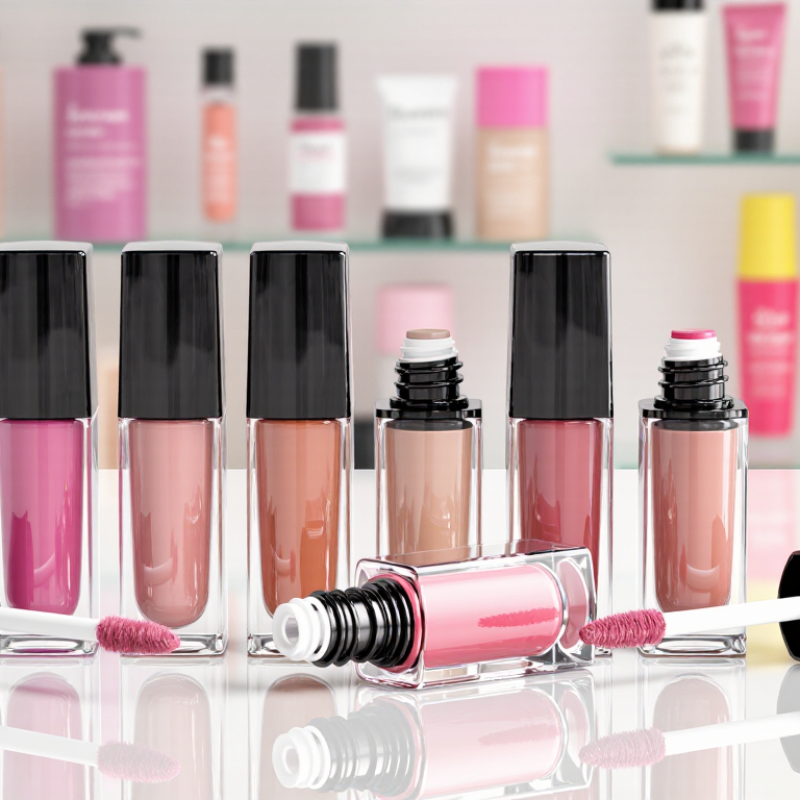
A clear gloss tube is a transparent cosmetic container designed to hold liquid or gel gloss. Its body lets users see the shade, fill level, and texture before opening it. Most designs include a threaded cap, an inner wiper, and a wand with a soft applicator. The wiper removes excess product, helping control the amount placed on the lips.
In daily use, this small detail matters. Too much gloss can feel sticky or spread beyond the lip line. The tube may be made from plastic, while the applicator and closure use several compatible materials. Exact construction varies by formula and manufacturer.
People use clear gloss tubes for personal application, sample presentation, and organized cosmetic storage. The transparent wall makes shade comparison easier in a drawer or display, especially when several colors look similar. It also helps users notice separation, unusual particles, or a changed smell, although appearance alone cannot confirm product safety.
A clean cap and smooth wand support better handling. Visibility has limits. Scratches can cloud the view, and leftover gloss often gathers around the wiper. I have found the format convenient for quick touch-ups, yet it is not flawless. Wiping the neck after use and keeping the tube away from heat can reduce mess and help protect the formula. The clear design improves visibility, not product quality by itself.
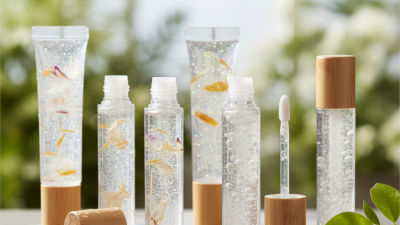
A clear gloss tube is designed to make a product visible before purchase. Its transparent body shows the color, texture, and remaining quantity at a glance. This display can help shoppers judge a cream, gel, lotion, or cosmetic more confidently. Smooth outer surfaces also reflect light, creating a clean and polished shelf appearance. Small details matter.
The tube’s rigid plastic wall helps reduce crushing during storage and transport. A properly fitted cap limits exposure to dust, moisture, and accidental contact.
For products used repeatedly, the opening should dispense a controlled amount without unnecessary mess. Packaging professionals usually check wall thickness, seal strength, closure fit, and material compatibility before production.
These checks support safer handling and more consistent performance.
Clear tubes are not perfect. Strong light may affect some formulas, and glossy surfaces can reveal fingerprints, scratches, or small filling marks. Reflection may also hide printed instructions from certain angles.
I have found that a practical design needs more than visual appeal. It should balance transparency, protection, easy dispensing, and readable information.
A small amount of headspace may help prevent leakage, but too much can make the package feel wasteful. Testing filled tubes through handling, temperature changes, and repeated opening gives more reliable results than judging an empty sample.
Clear gloss tubes are practical containers for lip gloss, lip oils, liquid highlighters, and other small beauty formulas. Their transparent walls let users see the shade, fill level, and texture before opening the package. A soft squeeze also helps control product flow, especially with a slanted applicator or narrow nozzle. That matters when applying a thin layer beside a mirror or carrying the tube in a small handbag.
Packaging data supports this format. Grand View Research estimates that the global cosmetic packaging market reached about USD 32.7 billion in 2023, with continued growth expected through 2030. Clear gloss tubes fit this market because they use relatively little material and support compact, portable designs. Their smooth surface also provides space for labels, batch details, and usage instructions without hiding the product completely. Small details count.
However, transparency is not flawless. Light can affect certain pigments, oils, or fragrance ingredients, so formulators should assess UV sensitivity before selecting a clear tube. Scratches, fingerprints, and leftover product can also reduce the premium appearance during daily use. Smithers’ flexible packaging research highlights the industry’s continuing focus on lighter structures and material efficiency, but recyclability still depends on the tube material, closure, and local collection systems. A clear tube may look responsible. That assumption needs checking. When chosen with compatible formulas and tested dispensing parts, it offers visibility, convenience, and strong shelf appeal for beauty and personal-care packaging.
A clear gloss tube displays the product inside, making color and fill level easy to inspect. It suits lip gloss, liquid balm, and other light cosmetic formulas. When the container is placed under store lighting, its transparency can make the product look clean and visually appealing. It also helps users notice changes in texture or separation before application.
Material quality matters. Choose a tube that resists cracking, leaking, and formula interaction. Some gloss formulas contain oils or active ingredients that may weaken unsuitable plastic. Compatibility testing should include heat, cold, pressure, and long-term storage. A basic test is not enough.
Pay close attention to the applicator. A soft doe-foot tip can spread gloss evenly, while a brush may offer more control. The wiper should remove excess product without making the wand feel dry.
Closure design is equally important. A secure cap prevents leakage inside handbags and protects the formula from air exposure.
Transparency should remain clear after filling. Hazy plastic can reduce shelf appeal and make inspection difficult. Check the tube’s grip, wall thickness, printing area, and filling tolerance.
I once underestimated how quickly fingerprints affected a glossy surface. A matte outer finish may be easier to handle, though it can hide product details. Testing a filled sample is wiser than judging an empty tube. Small differences become obvious after repeated use.
What Is a Clear Gloss Tube Used For?
How to Use and Maintain a Clear Gloss Tube Properly
A clear gloss tube stores and dispenses lip gloss, gel, or similar cosmetic formulas. Its transparent body lets users check the color, texture, and remaining amount quickly. Before use, inspect the tube for cracks, loose parts, or product separation. Turn the applicator slowly. Then apply a thin, even layer to clean lips. Avoid pressing the wand against the tube opening, because this can damage the seal.
Clean handling matters. Wash your hands before touching the applicator. Do not share the tube, especially after direct contact with the lips. Wipe excess gloss from the wand with a clean, lint-free tissue. Keep the cap tightly closed after every use. I once left a cap slightly loose overnight, and the formula became thicker near the opening. That small mistake was avoidable.
Store the tube upright in a cool, dry place. Keep it away from direct sunlight, heaters, and damp bathroom shelves. Heat may change the formula, while moisture can make the exterior slippery. If gloss leaks, smells unusual, or changes texture, stop using it and check the product guidance. A clear tube can hide residue around the neck, so inspect that area regularly. Clean the outside with a soft, slightly damp cloth, but never soak the tube or force liquid inside. Less mess, better control.
| Category | Data Dimension | Practical Information |
|---|---|---|
| Basic Function | Primary purpose | A clear gloss tube is commonly used to package and dispense lip gloss, lip oil, liquid lipstick, and other semi-fluid cosmetic products. |
| Product Visibility | Main benefit of clear packaging | The transparent tube allows users to see the product color, remaining quantity, texture, and possible separation before use. |
| Dispensing | Typical applicator options | Common options include a doe-foot applicator, sponge tip, brush tip, or a squeeze opening. The applicator should match the product viscosity and intended application method. |
| Application | Recommended use | Apply a small amount to clean, dry lips. Start at the center of the lips and spread outward. Remove excess product from the applicator against the tube opening before applying. |
| Product Compatibility | Suitable formulations | Clear gloss tubes are generally suitable for oil-based, water-based, and gel-like formulas when the tube, cap, applicator, and internal components have been compatibility-tested. |
| Material Consideration | Common packaging materials | The tube body may be made from transparent plastic, while the cap and applicator components may use different plastics, elastomers, or metal parts. Material selection should consider chemical resistance and product stability. |
| First Use | Opening procedure | Check that the closure and seal are intact. Open the container with clean hands, inspect the applicator, and avoid touching the applicator tip to unclean surfaces. |
| Daily Hygiene | Best handling practice | Keep the applicator inside the tube when not in use, avoid sharing the product, and do not add water, oil, or other substances to the formula. |
| Closure Care | How to prevent leakage | After each use, wipe product residue from the neck and threads with a clean tissue, then tighten the cap fully without overtightening. |
| Cleaning | External cleaning method | Clean the outside of the tube and cap with a soft, slightly damp cloth. Avoid immersing the package in water because moisture may enter through the closure or applicator area. |
| Storage | Recommended conditions | Store the tube upright in a cool, dry place away from direct sunlight, excessive heat, and rapid temperature changes. Keep it closed when not in use. |
| Temperature | Why temperature control matters | High temperatures may soften the formula, increase leakage risk, or affect texture. Very low temperatures may make some formulas thicker and harder to dispense. |
| Inspection | Signs to check | Inspect the tube for cracks, deformation, loose components, unusual odor, color changes, formula separation, or a damaged applicator before use. |
| Replacement | When to stop using it | Stop using the product if the container is damaged, the closure no longer seals, the formula changes noticeably, or the product develops an unusual smell or appearance. |
| Hygiene Period | Period-after-opening guidance | Follow the product's period-after-opening symbol or stated shelf-life guidance. The actual usable period depends on the formula, preservation system, packaging design, and storage conditions. |
| Travel Use | Transport recommendation | Keep the tube tightly closed and place it upright in a leak-resistant pouch. Avoid leaving it in a hot vehicle or direct sunlight for extended periods. |
| Environmental Care | Disposal consideration | Empty the tube as much as possible before disposal. Separate components only when local recycling instructions permit it, because mixed materials may not be accepted together. |
Safety note: Packaging compatibility, shelf life, and disposal requirements vary by product formula and local regulations. Always follow the instructions supplied with the specific cosmetic product.