Choosing the right China supplier for Bulk Lip Gloss Tubes requires more than comparing factory prices. The tube must protect the formula, support smooth filling, and reflect your brand’s visual identity. A practical evaluation should examine material quality, tube capacity, applicator design, sealing performance, decoration options, minimum order quantities, and delivery control.
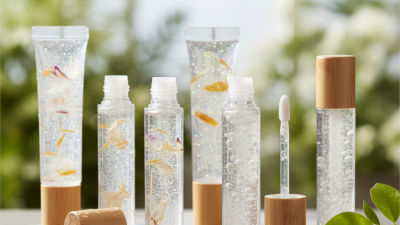
Packaging consultant Janice Hsu explains, “A lip gloss tube is a small package, but it carries a large promise about product quality.” This idea matters during supplier research. Clear PET tubes may showcase color beautifully, while soft squeeze tubes offer easier product control. Wands should pick up the correct amount without dripping. Caps must close firmly after repeated opening.
Small details matter.
An experienced China supplier should provide samples before mass production. Ask for compatibility testing with oils, pigments, fragrances, and active ingredients. Request production photographs, inspection records, and realistic lead times. A dependable partner should explain weaknesses instead of promising everything. That honesty is useful.
Cost still matters, but the lowest quote can create hidden expenses. Leaking tubes may damage cartons, delay launches, and weaken customer trust. Decoration also needs careful review. Metallic printing can appear elegant, yet it may scratch during transportation. Soft-touch coatings feel premium, but they require testing under humid conditions.
No supplier is perfect. Even experienced buyers can overlook closure torque or carton protection. That is why a clear specification sheet, approved sample, and written quality agreement remain essential. The best Bulk Lip Gloss Tubes supplier is not simply the cheapest factory. It is the partner that combines stable production, responsive communication, traceable quality, and practical packaging knowledge.
A reliable bulk lip gloss tubes supplier should offer more than attractive prices. They need consistent materials, clear communication, and repeatable production. Ask whether the tubes use stable PP or PET components. Request samples before approving a large order. Check the cap fit, wand connection, brush softness, and bottle clarity. A small leakage test can reveal weak sealing or poor threading. It is also useful to review factory photos, production records, and quality-control procedures.
Look for practical experience with custom colors, printing, and different applicator shapes. A professional supplier should explain molding limits, color matching, minimum order quantities, and realistic lead times. They should provide packaging details and inspection standards in writing. Reliable documentation builds trust. However, a polished sample does not guarantee perfect mass production. This is an easy mistake to make.
Tips: Compare samples from at least three suppliers. Fill the tubes, close them tightly, and store them upside down for several days. Check for leakage, odor, fading, and loose components. Ask how rejected pieces are handled. Confirm carton strength before shipping. Clear answers matter.
A dependable supplier also admits limitations. They may not support every decoration method or urgent deadline. Honest warnings are often more valuable than confident promises. Choose a partner that shares production updates, responds with technical details, and accepts reasonable inspection requirements. Reliability grows through evidence, not impressive claims.
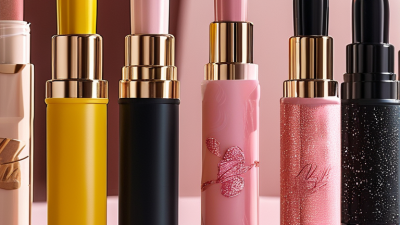
When sourcing bulk lip gloss tubes in China, material selection should come before price. Common options include PET, PP, acrylic, and aluminum. PET offers clear walls and strong impact resistance. PP is lighter and handles repeated squeezing well. Acrylic creates a glass-like appearance, but it can crack under sharp impact. Aluminum supports a premium feel and strong light protection, although it may increase unit cost.
Grand View Research reported that the global cosmetic packaging market was valued at about USD 32.93 billion in 2023. Its projected growth reflects rising demand for functional and attractive packaging. That growth does not make every tube suitable. A transparent PET tube may help display color accurately, while an opaque PP tube can better protect sensitive formulas. Applicators also matter. Doe-foot wands suit precise application; brush tips may spread thicker gloss more evenly. Small details matter.
According to the OECD’s Global Plastics Outlook, packaging represents approximately 40% of global plastic waste. This figure deserves attention during bulk purchasing. Suppliers should provide resin identification, recycled-content information, and compatibility test records. PCR plastic can support sustainability goals, but its color consistency may be less predictable. I have seen samples look acceptable before filling, then show stress marks after assembly. That is easy to overlook. Request filled samples, leakage tests, drop tests, and closure-cycle checks before approving mass production. Cost remains important, but a cheaper tube can create higher losses through returns, leakage, or inconsistent dispensing.
This chart compares typical density ranges for common materials used in lip gloss packaging. Polypropylene and polyethylene are lightweight options, PETG provides greater rigidity and clarity, while aluminum offers high durability and recyclability. Actual values may vary by grade, formulation, and manufacturing process.
China Best Bulk Lip Gloss Tubes Supplier?
A reliable evaluation starts with the factory, not its online catalog. Request the production address, equipment list, and recent quality records. A clean molding area, organized storage, and clear batch labels reveal daily discipline. Ask whether the supplier controls injection molding, decoration, and assembly in-house. Outsourcing is not automatically poor, but unclear responsibility creates problems.
Order samples from several production batches. Check the applicator stem, wiper fit, cap alignment, and tube wall thickness. Test the seal by storing filled tubes upside down for several days. Measure the seal. Also inspect surface scratches under bright light. A supplier should provide material specifications, inspection standards, and traceability documents. Confirm that the tube suits your formula, especially if it contains oils or strong pigments.
Communication deserves equal attention. Ask for a written quotation covering tooling, minimum order quantity, sampling time, production time, packaging, and replacement procedures. Reliable manufacturers explain tolerances instead of promising perfection. During one sample review, a slightly loose cap looked harmless, yet repeated opening made it worse. That small issue changed the approval decision. My own mistake was trusting appearance before testing function. Leave room for rechecking, because attractive samples can hide inconsistent mass production.
A reliable bulk lip gloss tube supplier should offer more than attractive colors and low prices. Customization begins with practical details, including tube capacity, applicator shape, cap finish, logo placement, and material selection. Request physical samples before approving large production. A clear tube can reveal filling marks, air bubbles, or uneven wall thickness. Small defects become expensive when multiplied across thousands of units.
Quality control should cover every production stage. Inspect incoming plastic, color matching, printing adhesion, threading, and closure strength. Suppliers should provide batch records and inspection photos. Leak testing matters. Store filled samples upright and upside down for several days. Check for seepage around the wiper and cap. A supplier may pass a visual inspection but fail during shipping vibration. This is where real experience becomes useful.
Compliance requires documented evidence, not broad promises. Ask for material declarations, safety data, migration test results, and factory quality certificates. Requirements differ by destination, so confirm the applicable cosmetic packaging rules before production. Food-contact approval alone may not prove suitability for lip products. Packaging should also avoid restricted substances and use traceable materials. No supplier gets every detail right. A missing document or unclear test date deserves a pause. I would rather delay approval than discover a compliance issue after containers leave the factory. Personally, I would also review the corrective-action process, because mistakes can happen even in an experienced facility.
China Best Bulk Lip Gloss Tubes Supplier?
Ordering bulk lip gloss tubes requires more than comparing the lowest quotation. McKinsey’s 2023 beauty market analysis projects about 6% annual growth through 2027, increasing pressure on packaging consistency and delivery. Request a complete specification sheet covering tube capacity, material, applicator shape, color tolerance, printing method, and leak-test standards. Ask for samples from the same production line. A sample can look perfect, yet the mass order may differ slightly.
Pricing should separate tooling, decoration, assembly, packaging, and freight. Confirm the minimum order quantity and whether unused components create extra charges. A practical purchase request includes two price levels, such as 10,000 and 50,000 units. Payment terms deserve attention too. Avoid approving a quote without a written revision policy. I have seen “small” color changes become expensive corrections. That detail is easy to miss.
Shipping plans should state the Incoterm, carton dimensions, gross weight, production lead time, and inspection date. UNCTAD reports that maritime transport carries over 80% of global merchandise trade by volume, so port delays can affect launch schedules. Use a pre-shipment inspection when quantities are large. Keep communication simple: one approved artwork file, one numbered sample, and one change log. Suppliers respond faster to measurable questions than vague requests. Send photos of the tube neck, wiper, and cap threads. Confirm carton labels before loading. Mistakes still happen, especially when specifications remain in chat messages.
| Evaluation Dimension | Typical Market Benchmark | Recommended Buyer Requirement | Key Purchasing Note |
|---|---|---|---|
| Standard tube capacity | 3 ml, 5 ml, and 8 ml are common bulk formats. | Confirm fill volume, usable volume, tube dimensions, and applicator length before ordering. | Nominal capacity and actual filling capacity may differ because of the internal wiper and headspace. |
| Common materials | PETG, AS, PP, and aluminum components are frequently used. | Request material specifications, component drawings, and compatibility information for the formula. | The formula should be tested for leakage, odor transfer, discoloration, and applicator compatibility. |
| Indicative empty-tube price | Approximately US$0.08–US$0.30 per set for standard packaging, before freight and taxes. | Compare pricing at the same quantity, material, decoration level, and packaging configuration. | Custom colors, metallic finishes, printing, special applicators, and molded parts increase the unit cost. |
| Typical MOQ | About 1,000–10,000 pieces for standard items; custom decoration may require a higher MOQ. | Ask for separate MOQs for the tube, cap, applicator, color, printing, and assembled set. | A low MOQ may be available for existing stock colors but not for newly developed molds or finishes. |
| Sample availability | Stock samples are often available within 3–7 business days; customized samples commonly take 7–20 business days. | Approve a physical sample or documented golden sample before mass production. | Check closure fit, wiper performance, brush or doe-foot shape, wall thickness, and decoration quality. |
| Production lead time | Approximately 15–30 business days for standard production; 30–60 business days for complex customization. | Obtain a written production schedule covering artwork approval, sampling, manufacturing, inspection, and dispatch. | Lead time normally begins after sample approval, deposit receipt, and final artwork confirmation. |
| Decoration options | Screen printing, hot stamping, coating, labeling, color matching, and frosting are commonly offered. | Define Pantone references, artwork format, print area, color tolerance, and approved proof requirements. | Request a production proof because screen and digital colors can vary from monitor displays. |
| Quality inspection | Visual inspection, dimensional checks, assembly checks, leakage testing, and decoration checks are typical. | Use an agreed inspection checklist and define acceptable quality limits before production. | For large orders, consider third-party inspection before final balance payment. |
| Packaging for export | Individual bags, inner cartons, master cartons, palletization, and corner protection may be used. | Request carton dimensions, gross weight, packing quantity, and carton-drop protection details. | Packaging volume strongly affects air-freight and courier costs, even when the product is lightweight. |
| Shipping methods | Courier is suitable for samples; air freight for urgent medium orders; sea freight for larger shipments. | Compare EXW, FOB, CIF, and DDP quotations with the same destination and shipment assumptions. | A low product price may not represent the lowest landed cost after freight, customs, duties, and local delivery. |
| Indicative transit time | Courier: roughly 3–10 business days; air freight: 5–15 business days; sea freight: 25–45 business days, excluding delays. | Build in additional time for customs clearance, inspection, port congestion, and domestic delivery. | Transit times depend on destination, season, shipping route, customs procedures, and service level. |
| Payment structure | A common commercial structure is a deposit before production and the balance before shipment. | Confirm payment milestones, banking details, currency, refund terms, and conditions for order changes. | Verify any changed bank-account information through an independent communication channel. |
| Supplier communication | Professional suppliers typically communicate through email, messaging platforms, video calls, and formal quotations. | Use a single technical specification sheet and request written confirmation of every critical requirement. | Fast replies are useful, but clear documentation and consistent answers are more important than response speed. |
| Documents to request | Quotation, pro forma invoice, packing list, commercial invoice, material information, and shipping documents. | Request documents that match the final product specification, quantity, destination, and agreed trade term. | Packaging compliance and cosmetic-market documentation may vary by destination country and product use. |
Note: The figures above are indicative purchasing benchmarks for bulk empty lip gloss packaging. Actual prices, MOQs, production schedules, freight charges, duties, and documentation requirements should be confirmed in a written quotation for the specific order.