What is Cardboard Lipstick Tubes and How are They Made?
The beauty industry is undergoing a significant shift towards sustainable packaging solutions. Cardboard Lipstick Tubes are at the forefront of this movement. As consumers demand eco-friendly products, brands are responding with innovative packaging designs that reduce plastic waste. According to a report by Smithers Pira, the global market for sustainable packaging is projected to grow to $500 billion by 2027, indicating a robust demand for alternatives like cardboard.
Manufacturing Cardboard Lipstick Tubes involves using biodegradable materials that can be sourced responsibly. The process typically includes printing designs on recycled paper and assembling tubes with adhesive that ensures durability. Major companies, including L'Oréal, are investing in this technology. They recognize that not only does it appeal to environmentally conscious consumers, but it also aligns with their corporate responsibility goals.
While the benefits of Cardboard Lipstick Tubes are evident, challenges remain. For instance, ensuring the product's shelf life and functionality can be complex. Brands must balance aesthetic appeal with practical use. This evolution in packaging is a reflection of the industry's commitment to sustainability, yet it requires constant reflection and innovation to meet consumer expectations.
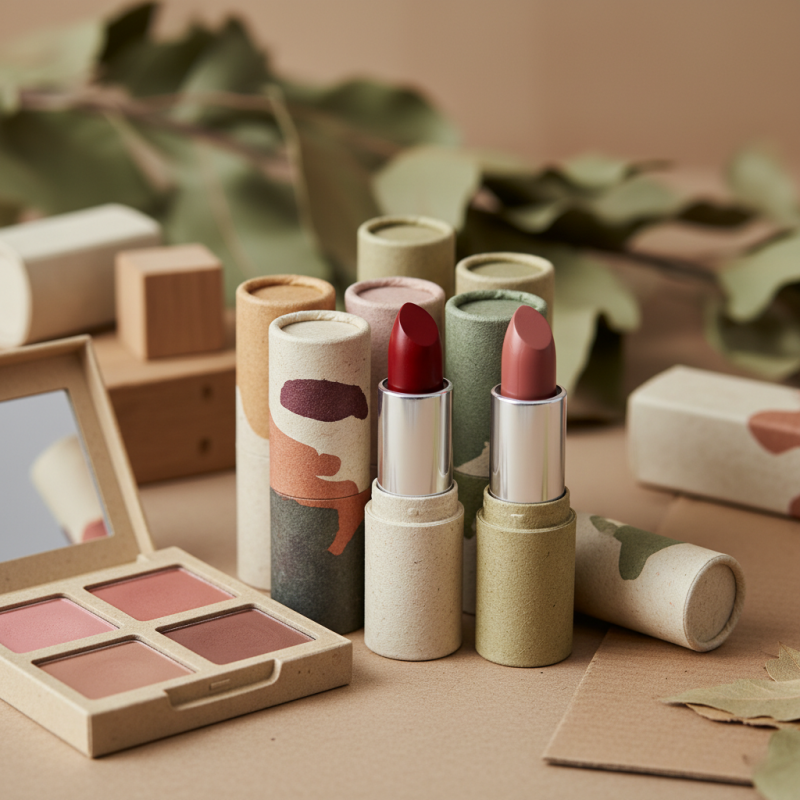
Definition and Overview of Cardboard Lipstick Tubes in the Cosmetics Industry
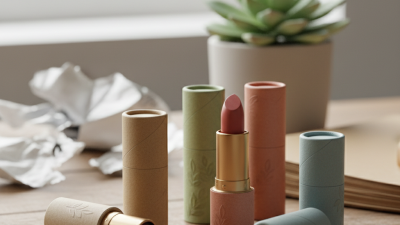
Cardboard lipstick tubes are an innovative alternative in the cosmetics industry. They serve as eco-friendly packaging for lip products. This shift aligns with a growing consumer demand for sustainable solutions. Research indicates that over 60% of beauty industry consumers prioritize eco-friendly packaging.
These tubes are crafted from recycled materials, reducing plastic waste. The manufacturing process involves several stages, including sourcing, molding, and printing. A notable challenge is ensuring durability and product protection while maintaining sustainability. Lightweight cardboard must resist wear but remain biodegradable.
**Tip:** Look for brands that offer refillable options. This practice extends the lifecycle of the packaging and reduces waste.
Creating cardboard tubes involves specialized techniques. They are designed to be functional yet stylish. The aesthetic appeal is also crucial in attracting customers. However, brands must reflect on the balance between eco-friendliness and manufacturing costs.
**Tip:** Research eco-certifications to ensure the product's sustainability claims are valid. This will provide assurance of their environmental impact.
Materials Used in the Production of Cardboard Lipstick Tubes: A Sustainable Choice
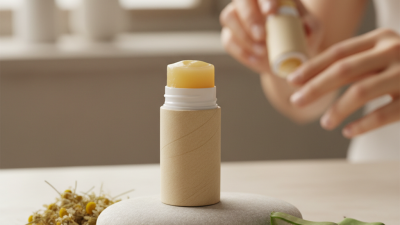
Cardboard lipstick tubes are gaining popularity for their eco-friendly materials. They are primarily made from recycled cardboard and paper. This choice reduces plastic waste, which pollutes our environment. Many manufacturers are focusing on sustainable practices. This shift benefits both the planet and consumers who care about sustainability.
The production process of these tubes includes precise engineering to ensure durability. They are often coated with biodegradable materials for added protection. However, the sustainability of cardboard tubes does raise questions. Their ability to hold up against moisture can be a concern. Some users have reported issues with wear and tear.
Moreover, sourcing materials responsibly is crucial. Not all cardboard comes from recycled sources. Awareness of supply chains can guide consumers toward better options. Though cardboard tubes offer a greener choice, challenges remain. Addressing these imperfections is vital for companies aiming for truly sustainable products.
Materials Used in the Production of Cardboard Lipstick Tubes
Step-by-Step Manufacturing Process of Cardboard Lipstick Tubes
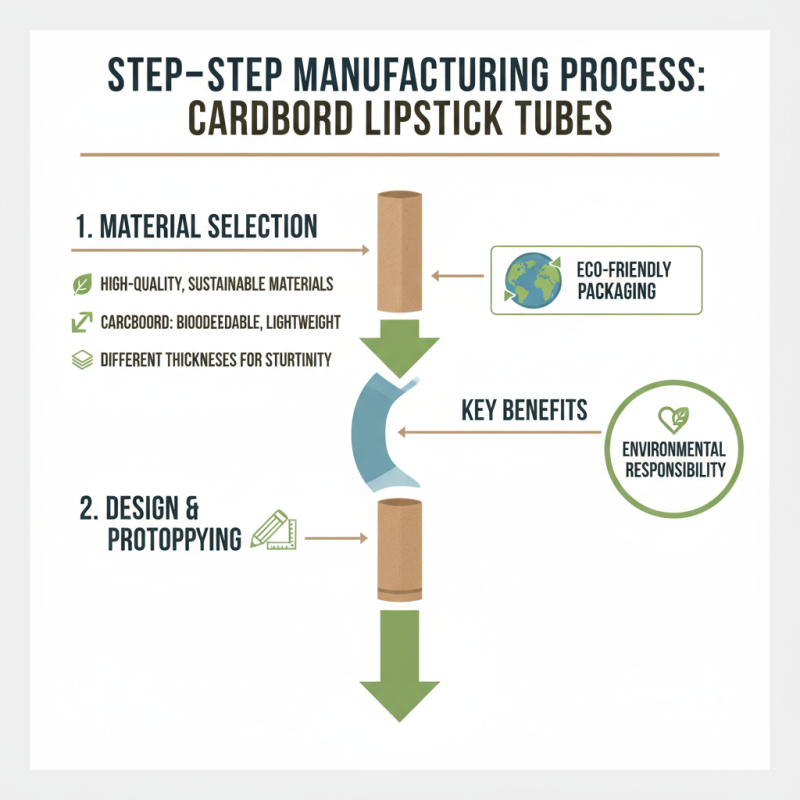
The manufacturing process of cardboard lipstick tubes involves several key steps. It begins with selecting high-quality, sustainable materials to ensure environmental responsibility. Cardboard is chosen for its biodegradability and lightweight nature. Different thicknesses are used for added sturdiness. This choice supports eco-friendly practices in cosmetic packaging.
Once the materials are prepared, they are cut into specific shapes and sizes. Precision is crucial here. Any mistake can lead to rejected products and wasted resources. After cutting, the pieces undergo printing. This step usually involves vibrant inks that help brands stand out. However, balancing ink usage and environmental impact can be challenging.
Next, the pieces are assembled into tube shapes. This is often done by hand or through semi-automated processes. Quality checks occur at this stage to ensure the tubes fit perfectly. Sometimes, even minor imperfections are overlooked. Finally, the tubes are filled and packaged. The entire process highlights the importance of craftsmanship and attention to detail. While advancements in technology streamline production, human oversight remains essential for quality assurance.
Market Trends and Consumer Preferences for Eco-Friendly Packaging Solutions
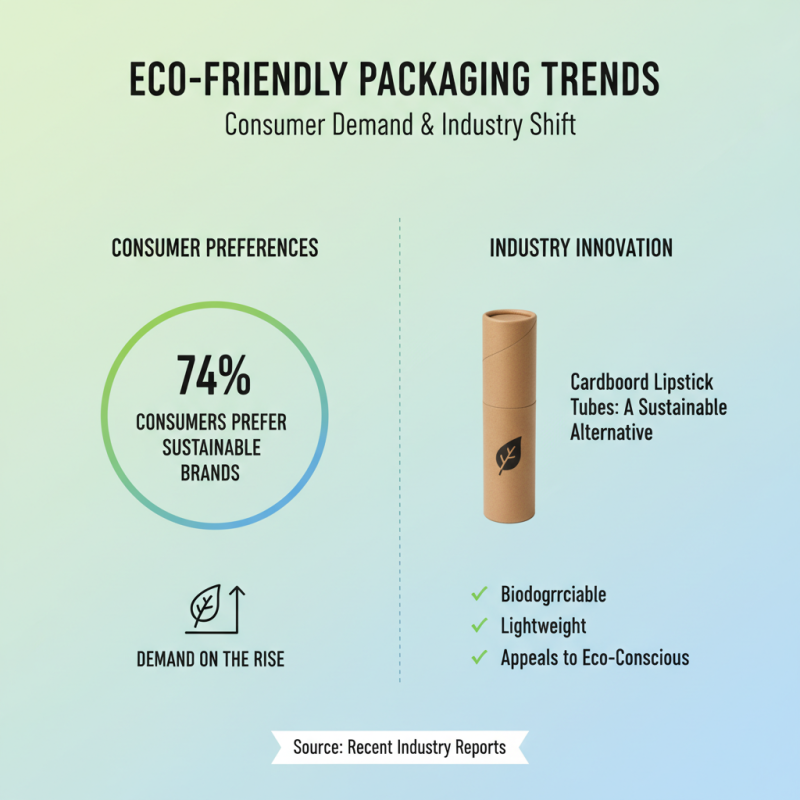
The demand for eco-friendly packaging solutions is on the rise. According to recent industry reports, about 74% of consumers prefer brands that use sustainable materials. Cardboard lipstick tubes are gaining traction among beauty brands as an alternative to traditional plastic packaging. These tubes are not only biodegradable but also lightweight, making them an appealing option for environmentally conscious consumers.
Market trends indicate that consumers are increasingly aware of their purchasing choices. A survey revealed that 63% of shoppers consider packaging sustainability when they buy beauty products. Cardboard tubes can be designed with vibrant prints and minimal inks, enhancing their visual appeal without compromising their eco-friendly attributes. This shift towards sustainable materials also reflects a broader commitment to reducing plastic waste in the beauty industry.
Despite the advantages, challenges still exist. Some consumers question the durability and functionality of cardboard tubes compared to plastic. Additionally, manufacturers must balance eco-friendliness with cost and performance. Finding the right balance is crucial. Continuous innovation and consumer feedback are essential for the evolution of cardboard packaging. As brands strive for sustainability, the conversation around its practicality will shape the future of beauty packaging.
Comparative Analysis of Cardboard vs. Traditional Lipstick Tube Materials
The shift toward cardboard lipstick tubes marks significant progress in sustainable packaging. Traditional lipstick tubes often use aluminum or plastic, contributing to environmental waste. In contrast, cardboard tubes are biodegradable and reduce the carbon footprint. Studies show that over 75% of consumers prefer eco-friendly packaging options. This trend is reshaping the cosmetics industry.
Cardboard tubes offer an array of benefits, such as lightweight design and customizable printing options. However, some challenges exist. Cardboard may not provide the same level of durability as metal or plastic. This raises questions about shelf life and consumer experience. A recent report indicated that around 45% of users are concerned about the structural integrity of cardboard packaging.
Despite these concerns, brands can overcome them with innovative designs. Improved sealing techniques can enhance protection against moisture. Additionally, cardboard tubes can maintain aesthetics while being eco-conscious. These forward-thinking solutions make cardboard a promising alternative, but there's still much to learn about consumer preferences. Overall, the comparative advantages of cardboard packaging are substantial, paving the way for a greener future in cosmetics.